A-dos-Negros
A parish born after the 1755 earthquake, with the Church of Santa Maria Madalena and a trail of old fountains.
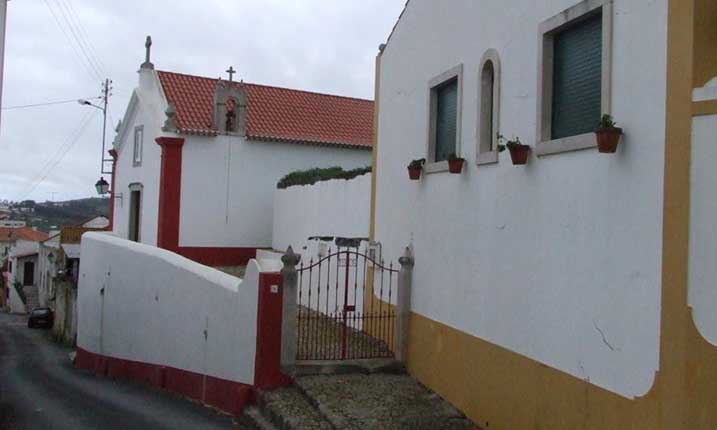


Photo: GoÓbidos
About A-dos-Negros
A-dos-Negros is one of the seven parishes of Óbidos. It was created in the second half of the 18th century, after the great earthquake of 1755.
Tradition says the name comes from a Lusitanian knight, Cecílio Negro, who lived here before Christ. Today it is a rural parish of vineyards, orchards and old paths, known for its many fountains.
What to see
Parish Church of Santa Maria Madalena
The parish church, dedicated to Saint Mary Magdalene, is the natural starting point for a visit to the village.
Fountains and wash houses
The parish has many fountains, springs and water troughs. For centuries, village life gathered around the water.
Fountains Route (PR9)
A 5.8 km linear walking trail of about 1h45 past the fountains, the old windmills, vineyards and pine woods and the Church of Santa Maria Madalena, with views of the Arnóia reservoir and the Atlantic.
Useful information
Getting there
Óbidos is about 45 minutes from Lisbon on the A8 motorway. A car is the easiest way to explore the villages of the municipality.
Parking
Parking is usually easy in the villages. In Óbidos itself, use the car parks outside the walls and walk in.
Where to eat
There are traditional restaurants across the parishes and many more in the village of Óbidos, a few minutes away.
Frequently asked questions
What is there to see in A-dos-Negros?
The Parish Church of Santa Maria Madalena, the village fountains and the Fountains Route (PR9), one of the walking trails in Óbidos.
Why is it called A-dos-Negros?
Tradition says the name comes from Cecílio Negro, a Lusitanian knight who lived here before Christ.
When was the parish created?
In the second half of the 18th century, after the 1755 earthquake.